
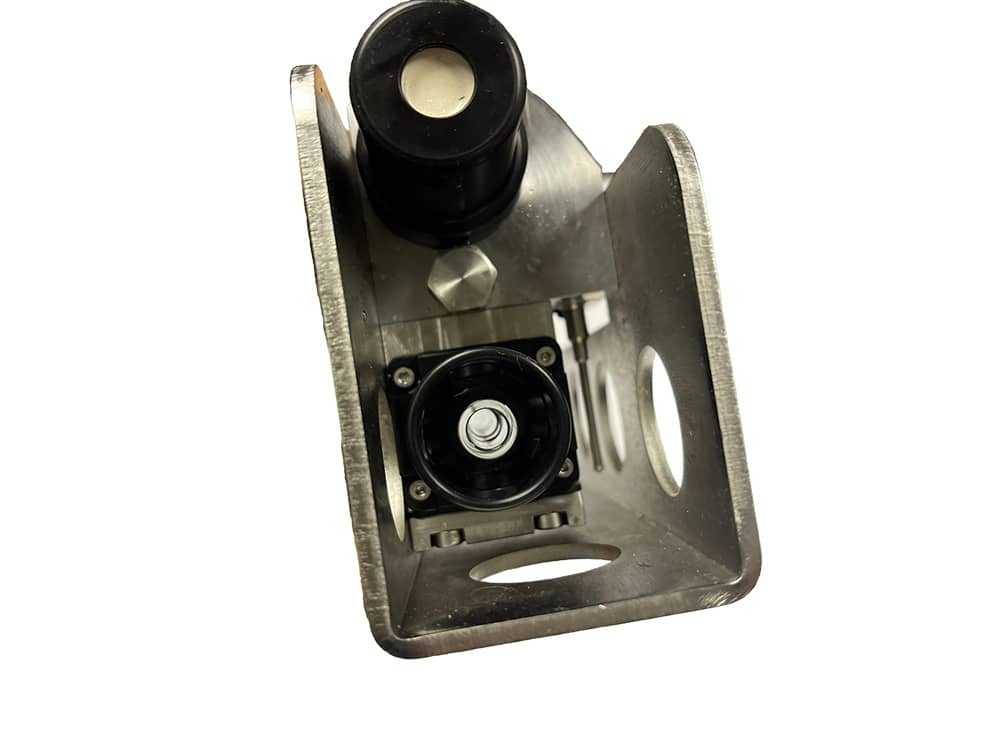
D-2 has developed and tested a new CTD Cell, which is now in production. Currently, this cell is undergoing field testing with the Woods Hole Oceanographic Institution (WHOI) and the Bermuda Institute of Ocean Sciences (BIOS). This new CTD cell represents a new version of our revolutionary flow-through, closed-field conductivity cell.
They use CTDs for Oceanographic Research, Naval Applications and Marine Science. “What does CTD stand for?” https://oceanexplorer.noaa.gov/facts/ctd.html
The CTD Redesign and Improvements
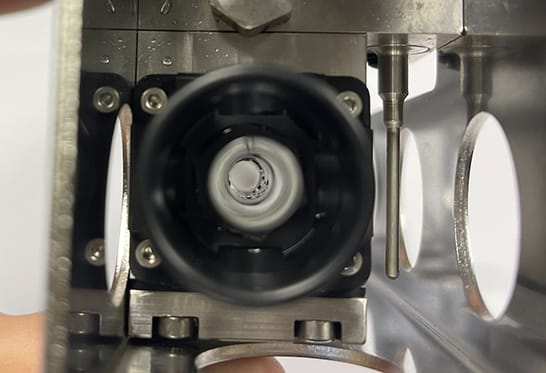
As you can see in the above image. The new D-2 Conductivity Cell for measuring Ocean Salinity is a straight glass tube with annular electrodes. This means the two annular electrodes close the cell. Electrically creating a closed circuit in which the inductive cell measures the conductivity / salinity. This allows the water to flow freely through the cell. No issues with ice or debris getting caught in the cell, as it is a straight glass tube. The image above has water droplets inside the cell, as this unit was just calibrated before being photographed.
Initial testing with this New CTD cell redesign has shown improved precision, and improved water flow through the cell. This revolutionizes the industry. You can now have the precision of a closed field cell with the utility of a free flowing cell. You can design this cell into any existing ocean going platform and improve your precision. Lower your power consumption and decrease the footprint of the sensor. Our sensors are significantly smaller size than any other closed field conductivity cells. D2 conductivity cells do not require a pump to operate unless you want one for biological or low flow reasons.
CTD Housing…
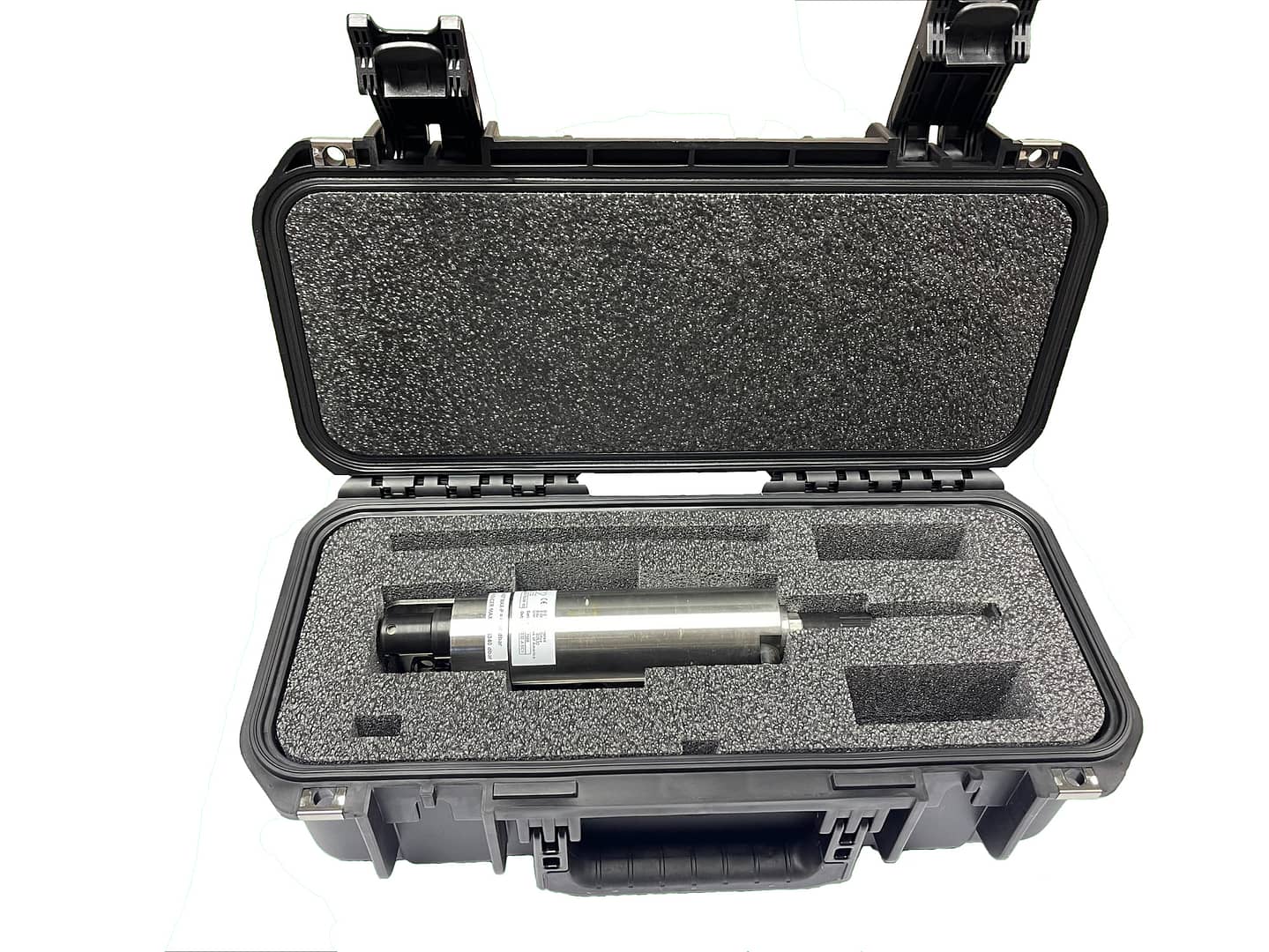
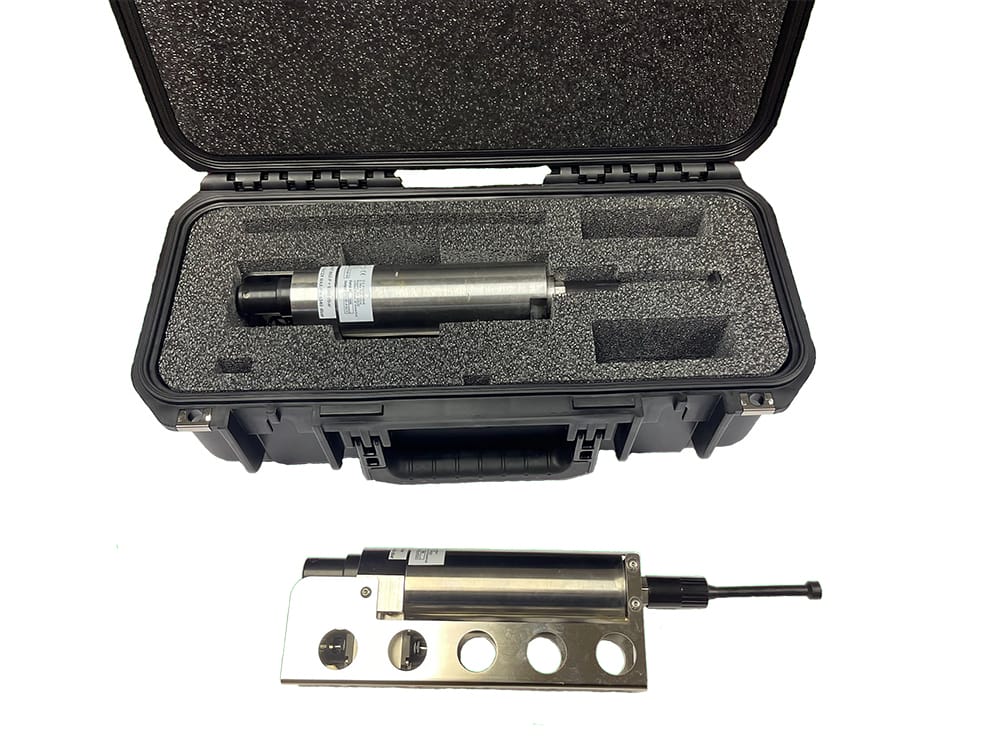
The Standard housing for the CTD is the above style casing, which we ship in the above carrying case for the device. This case protects the CTD from being damaged during shipment or whilst being stowed on board a vessel. Custom foam inserts keep the unit from moving about during transit. These standard housings for the CTD come in Titanium (pictured) or Stainless Steel, or Aluminum.
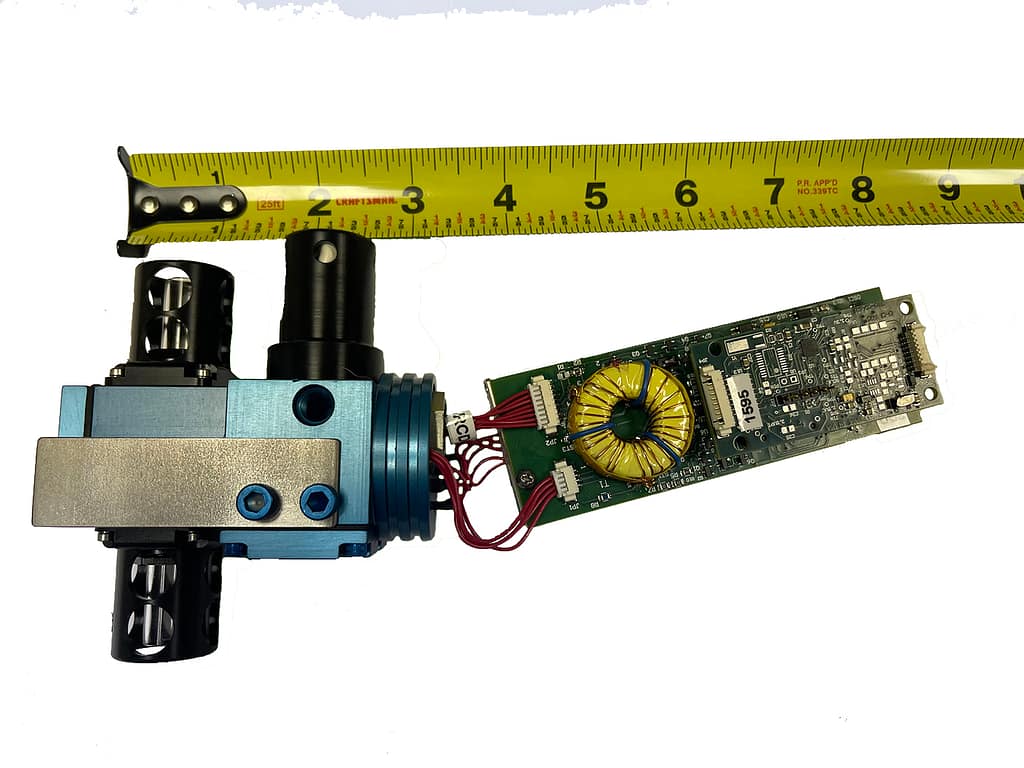
Integration of this CTD cell as an OEM design into any existing platform is easy. The OEM version is without the standard housing shown above. Contact us for custom designs of the CTD and we would be more than happy to go over the options for you and design the best CTD possible for your application.